- Author: Salah Fatima
Date: Oct 15, 2025 - Category : Animation Studios



There’s something bewitching about stop motion films. Maybe it is the way a small character made of clay seems to come to life, or the manner in which a puppet can tell a story, evoking the same tender emotions as any human actor. Unlike CGI or traditional 2D animation, stop motion animated films possess a kind of charm that feels tangible yet whimsical, labor-intensive but real.
This is why in a few short minutes, we will take you behind the scenes of this unique art form – the rich history, its impressive techniques, the studios that produce these films, and the fascinating reasons behind beloved titles that move audiences around the globe. By the end of this blog, you will be more informed about the statistics surrounding what is stop motion animation and understand what makes it so special in the world of moving image films.
Stop motion movies are an incredibly unique type of animation technique where real-world objects (puppets, clay figures, cutouts made from paper – you name it) are moved frame by frame until their real-life movements are captured in motion to create the illusion of life without a computer or camera trickery.
Every individual frame in stop-motion animation is made by hand; unlike CGI or traditional hand-drawn 2D animation, the animated film is just as ‘real’ as the moving parts of the animation.
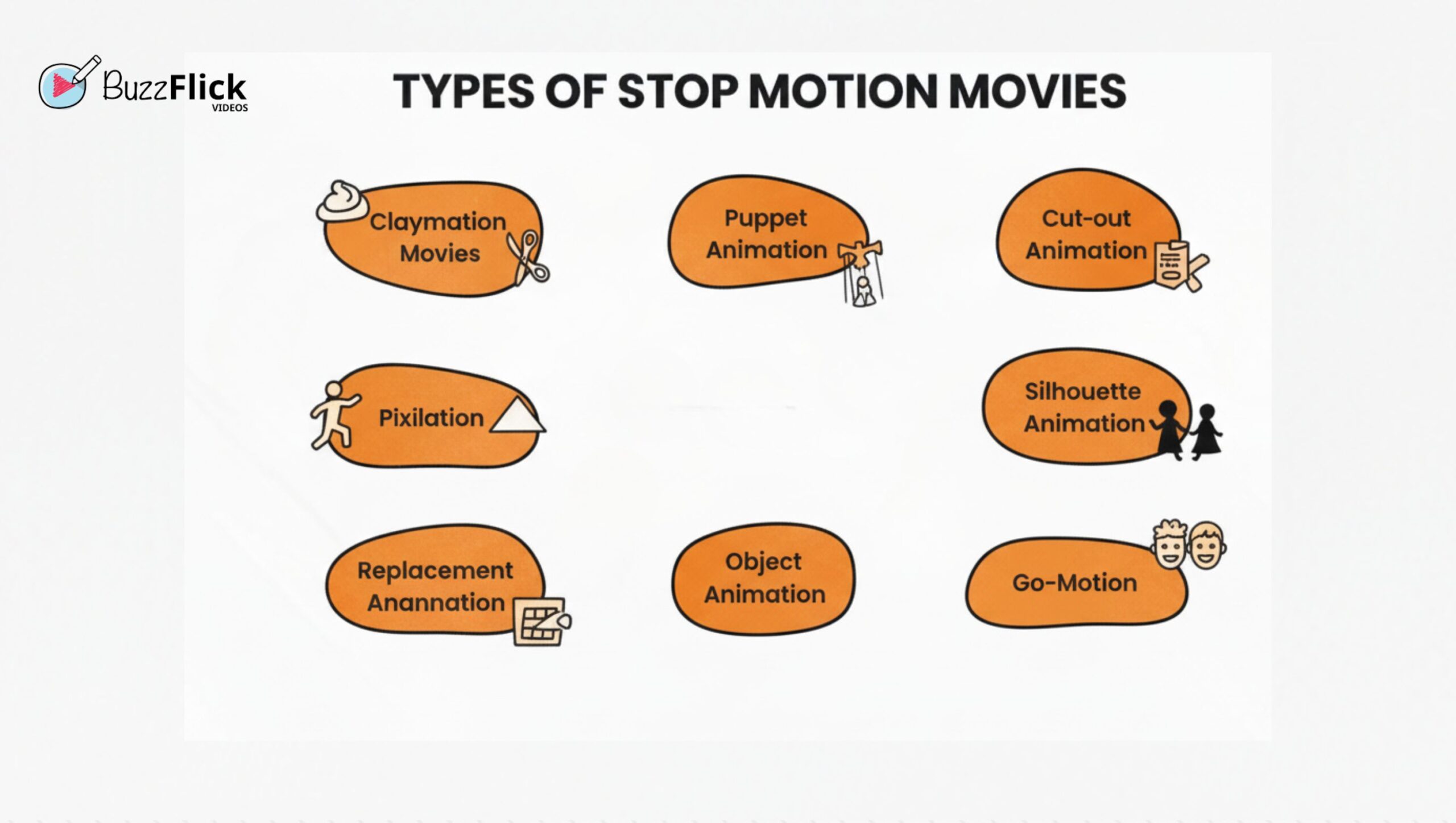
Here are the most popular styles/techniques of stop motion animation:
Claymation is likely the most recognizable type of stop motion animation. Characters are crafted out of clay (typically plasticine), which gives the animator greater flexibility to bend, squash, stretch, and reshape frame by frame. That flexibility makes claymation films feel alive, with big movements and highly expressive faces.
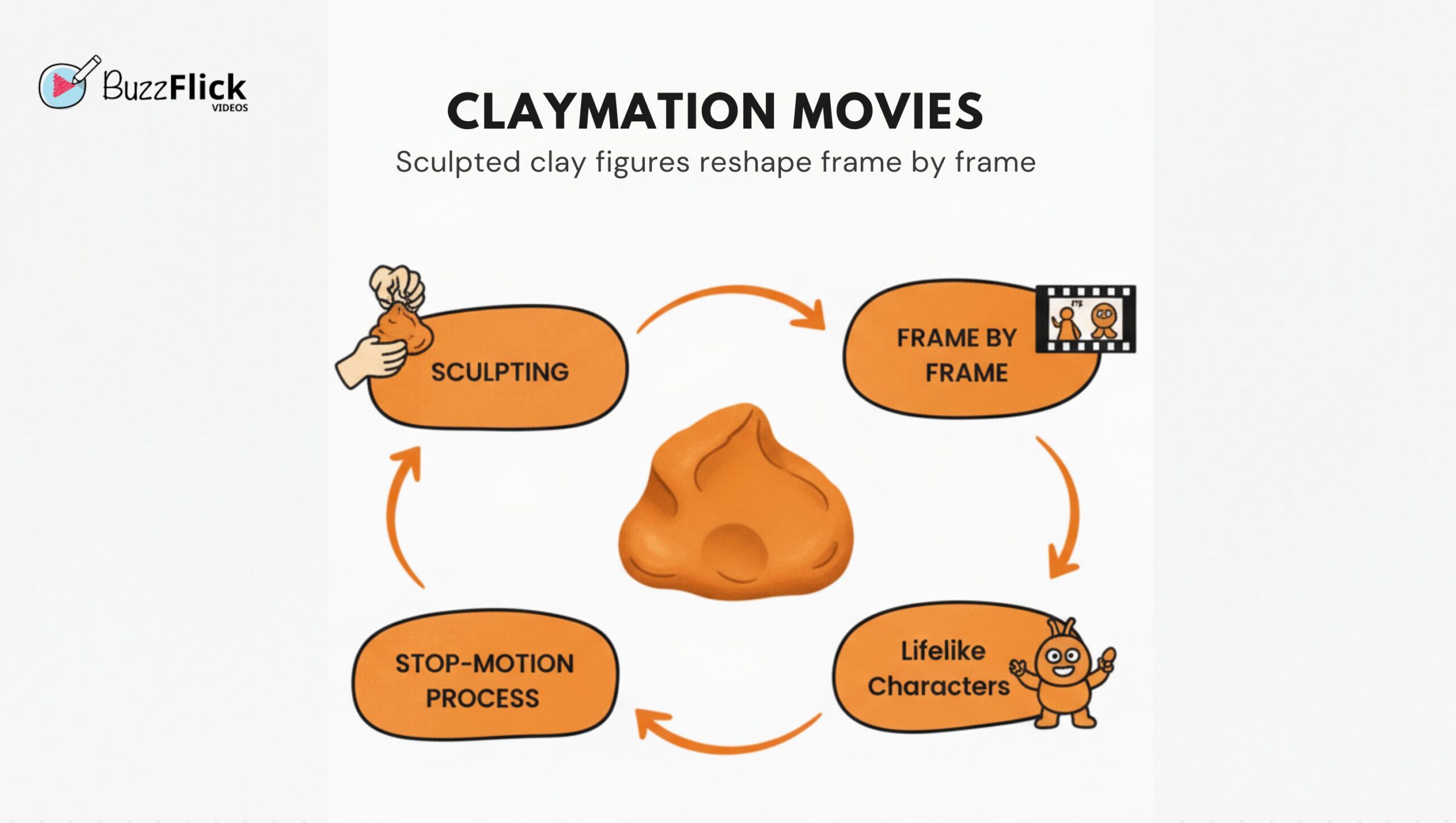
It’s also a warm and funny style, like Wallace & Gromit and the hit film Chicken Run. For many audiences, claymation is somewhat synonymous with stop motion films.
Puppet animation uses hand-made puppets with articulated joints that are designed to be moved slightly each time they take a picture. Puppets, unlike clay, are made with armatures (metal skeletons) inside, and are more durable and will hold up for more complex scenes and to produce over longer shooting processes. This allows a polished, real quality with gestures that have a degree of precision, as well as more detail with costumes.
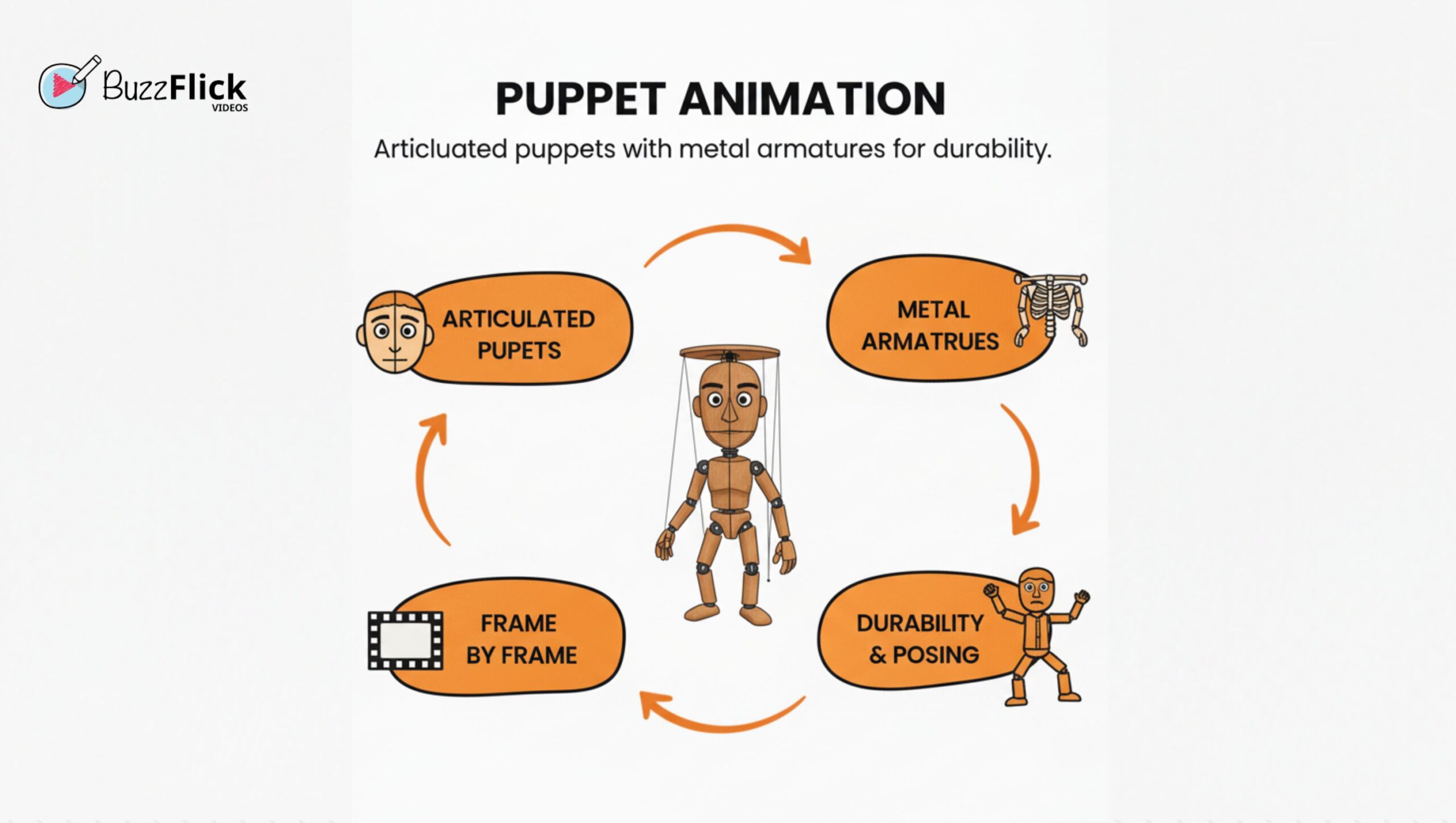
Establishing stop motion animation films that used puppets, like Coraline and The Nightmare Before Christmas, allows for rich depth and scope of emotion.
Cutout animation involves animating flat shapes made from paper, cardboard, or fabric. Each piece is cut, arranged, and then moved little by little, and then photos of motion are built. This is often a stylized or quirky look, even in traditional 2D and 3D.
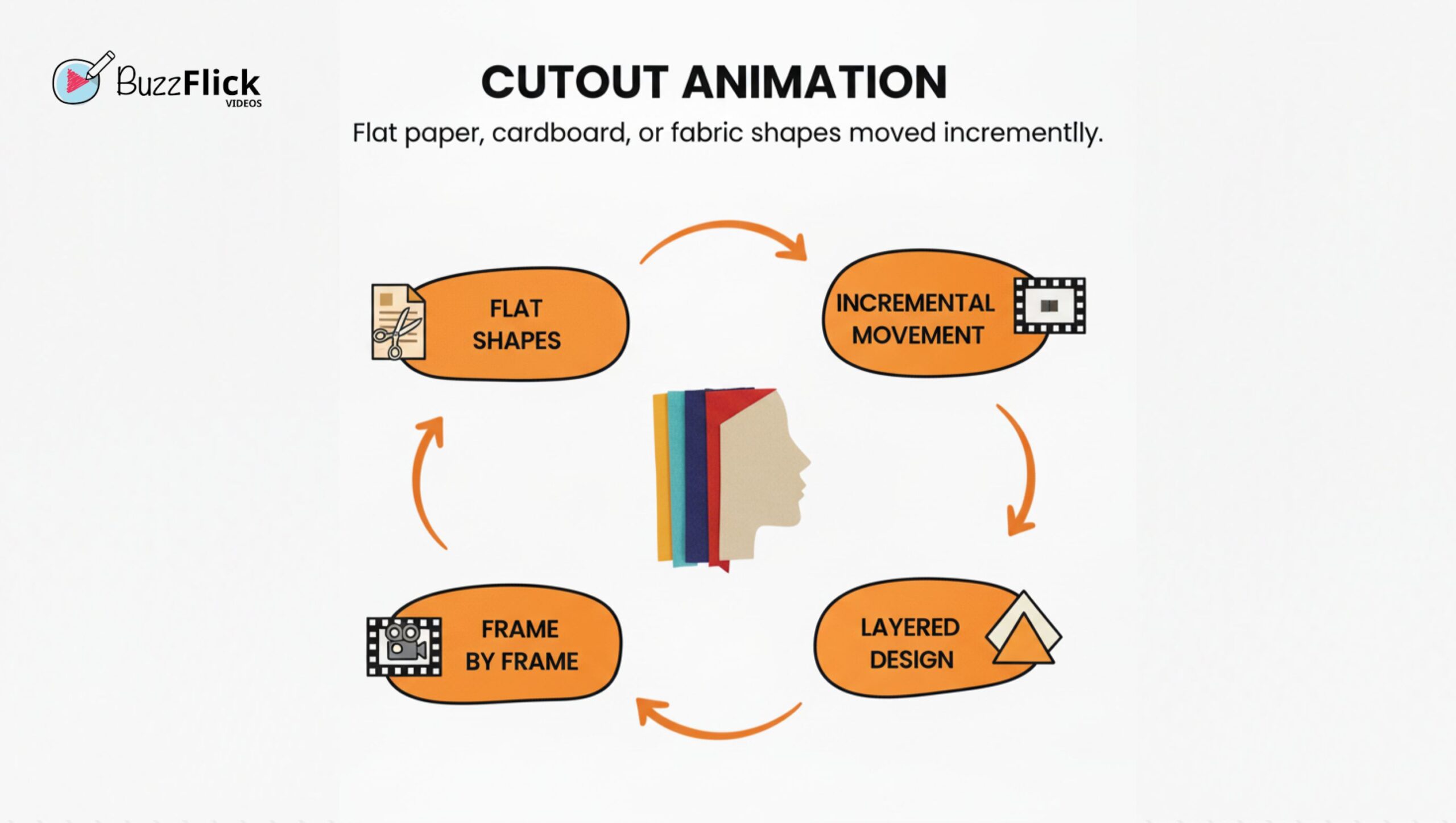
This inexpensive and simple process allows you to tell great stories. A perfect example is the early South Park episodes, or even those from Fantastic Planet.
Instead of using puppets or clay, real actors are posed frame-by-frame in tiny increments, then filmed one frame at a time. The result is often comical and surreal, as you watch people slide across a room without walking, or objects slide around them.
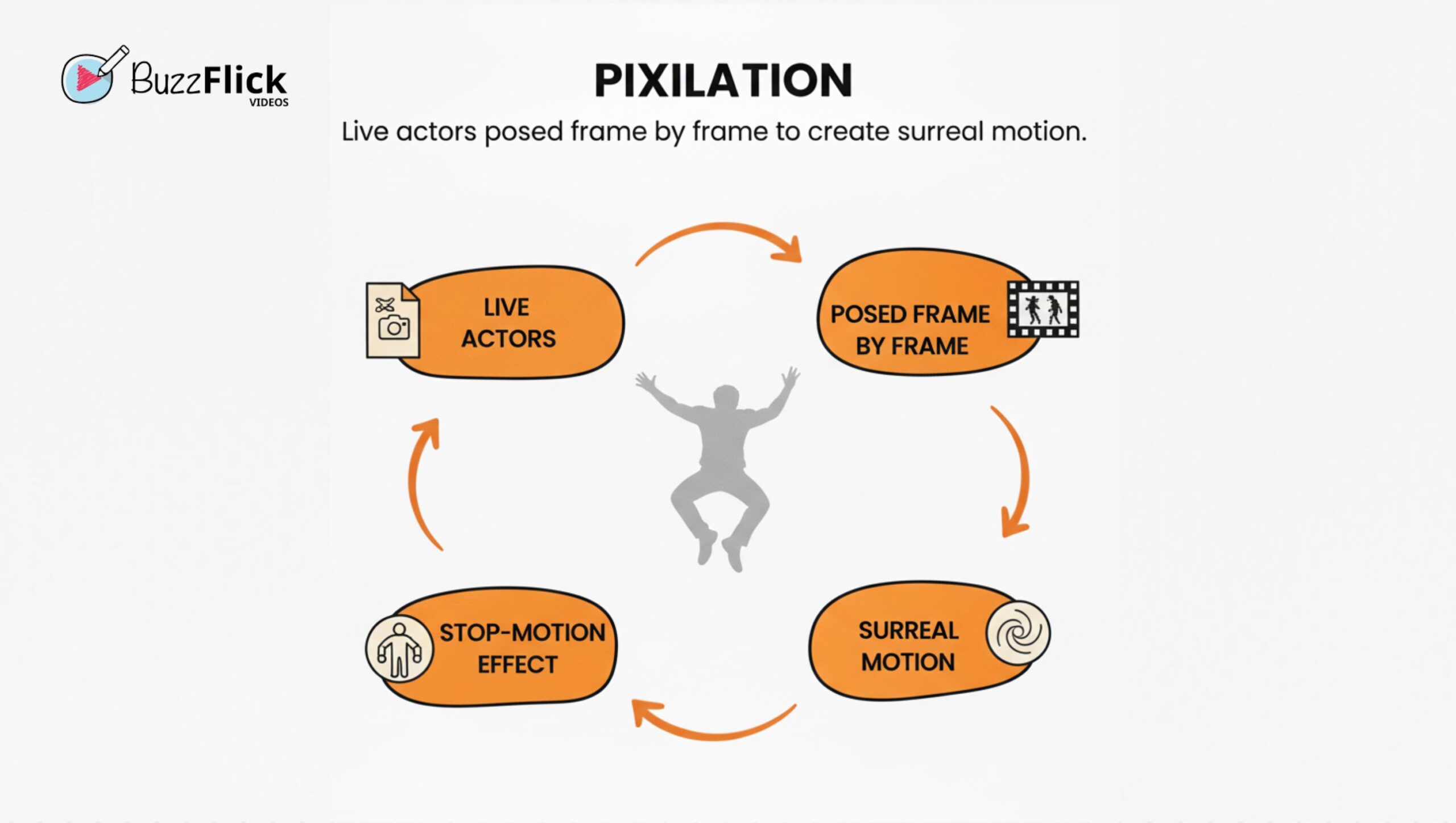
The short film Neighbours (1952) by Norman McLaren is one of the best-known uses of this style, and it’s still inspiring music videos and indie projects today.
Ellie McCoy wanders into an empty house and suddenly finds herself living in a different world. She is completely lost in her dreams, leaving behind a trail of curled-up remnants. With the help of her friends, she discovers the shocking truth.
While getting lost was often accompanied by laughter in the first half of the film, it takes on a more serious tone in the second half, almost horror-like.
Silhouette animation predominantly focuses on darkened characters, illustrated as black cutouts against a backlit screen. The contrasting qualities between the black cutout and the lit background create a shadowy world that feels both mysterious and elegant, and dream-like.
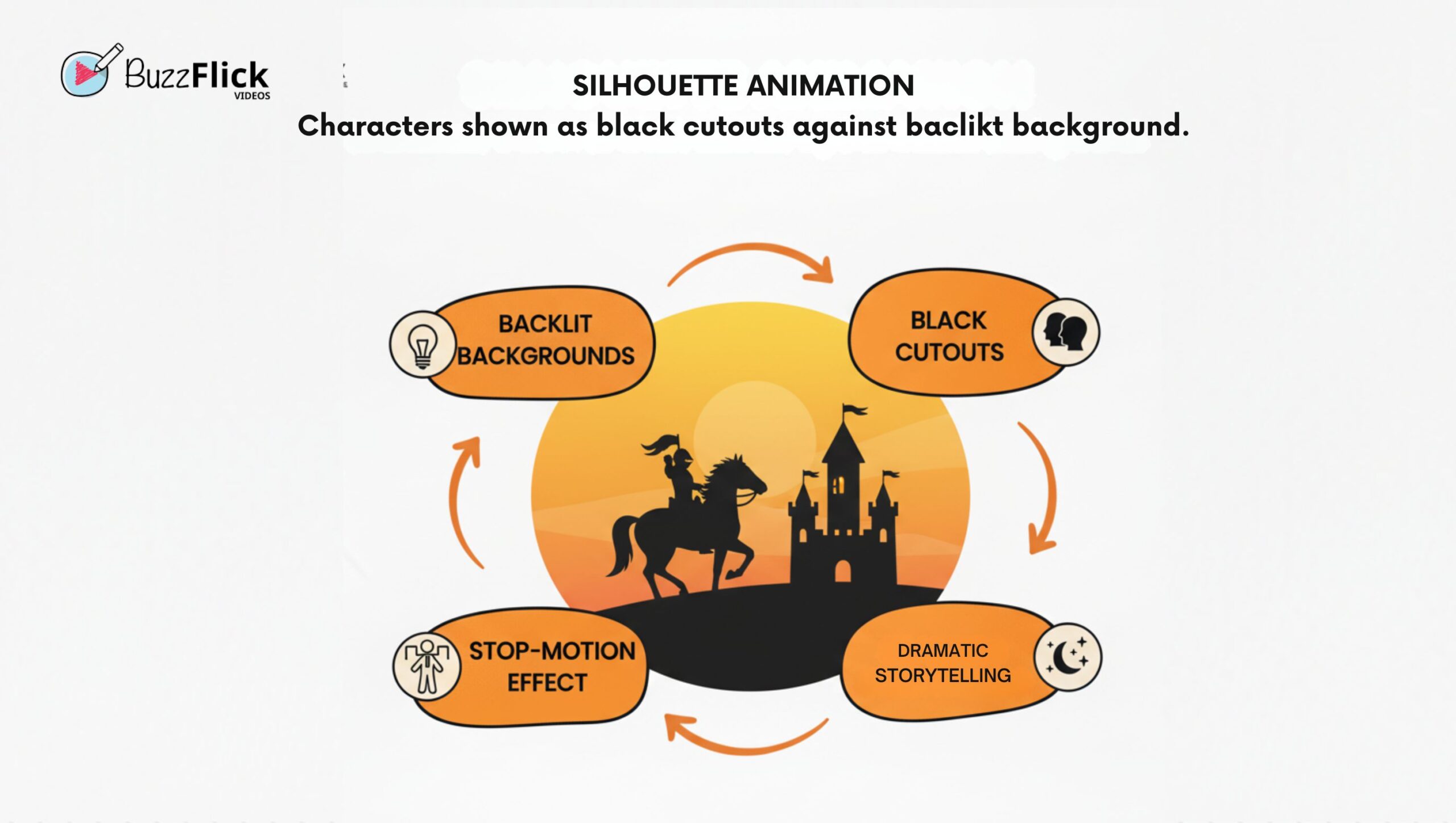
One of the earlier examples is The Adventures of Prince Achmed (1926), a beloved classic and often noted as the oldest surviving feature-length animated film.
This style might not be as common today, but it achieves its ability to influence many creators with its artistry and timeless beauty.
In object animation, the stars of the show are everyday objects. Toys, stuff around your house, or even food, are animated to move in quirky, unexpected, and playful ways.
Imagine your cookie crawling into a glass of milk or your utensils coming to life in your kitchen! This style is often used in commercials, short films, or for experimental projects.
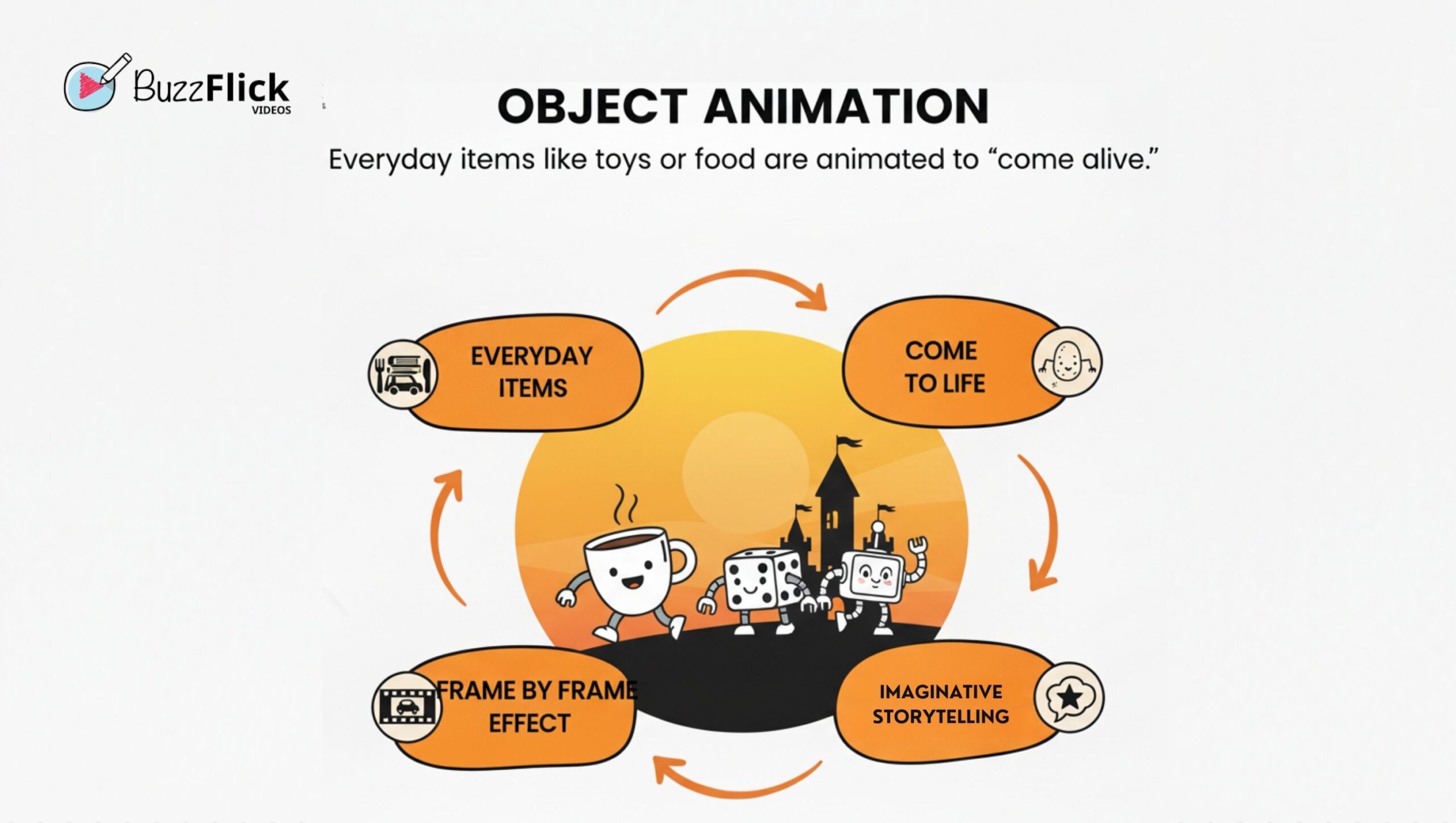
Object animation is not something that is used often in full-length movie versions of stop motion films, though object animation, as a style, has a long tradition of being used as comedic embellishment, while also delighting us with surprise and creativity.
Conventional stop motion animation can feel slightly staccato because of the sharp, frozen frames. Go-motion introduced motion blur, meaning that while an object is in motion, the animator can have motion blur occur on the items.
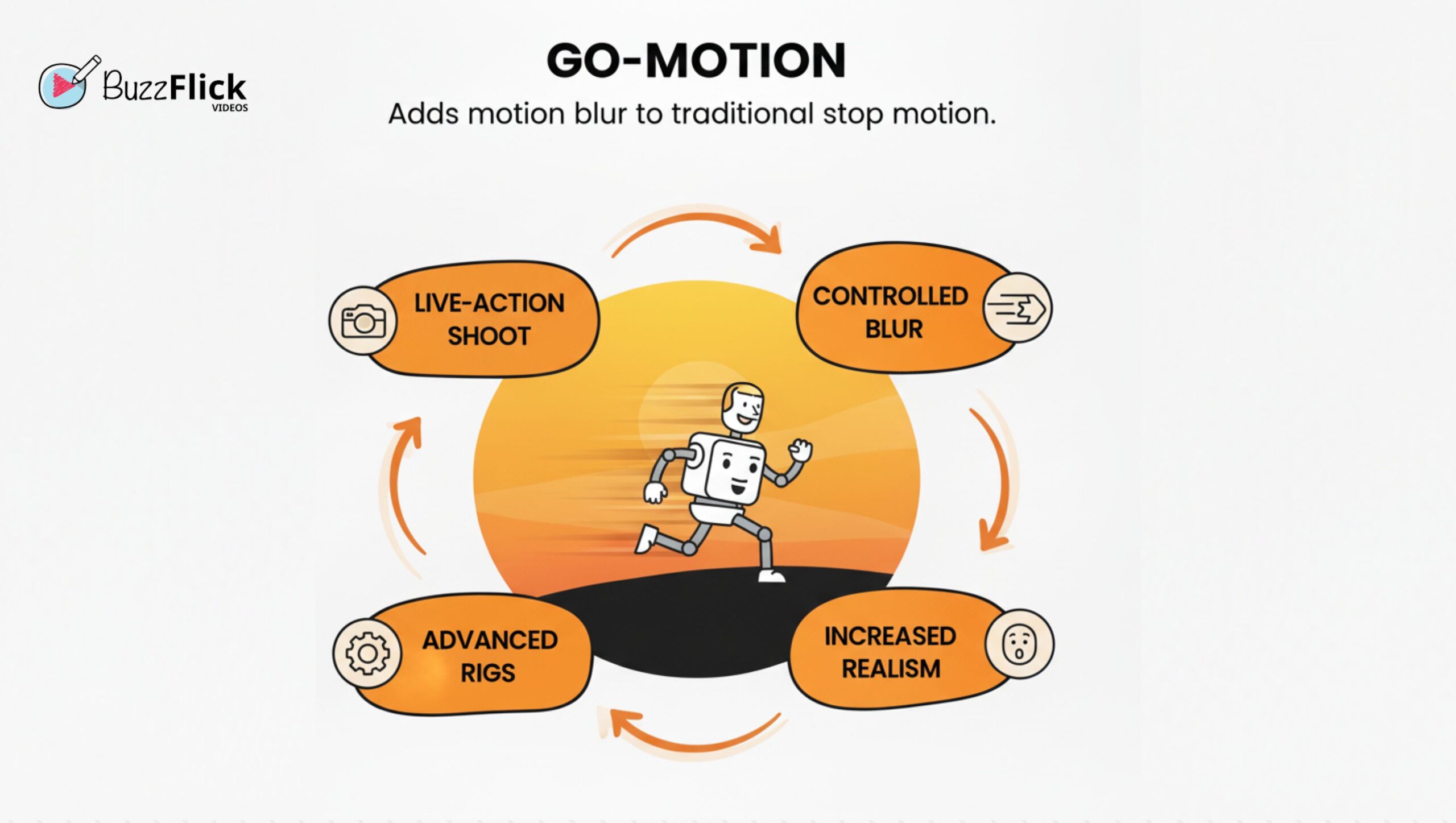
This allows action pieces to feel smoother and more realistic in appearance. Go-motion was frequently used in the filming of Star Wars: The Empire Strikes Back when the AT-AT walkers were filmed, and for Dragonslayer (1981).
Although almost non-existent now, this technique started the shift (blending practical effects with CGI, slowed down frames, etc.) towards combinations of practical effects and digital tools.
Replacement animation is all about swapping parts between frames. Instead of reshaping clay or moving puppet joints as the animation progresses, you can use interchangeable heads, faces, or body parts to create visible, smooth transitions and expressions with each replacement animating piece.
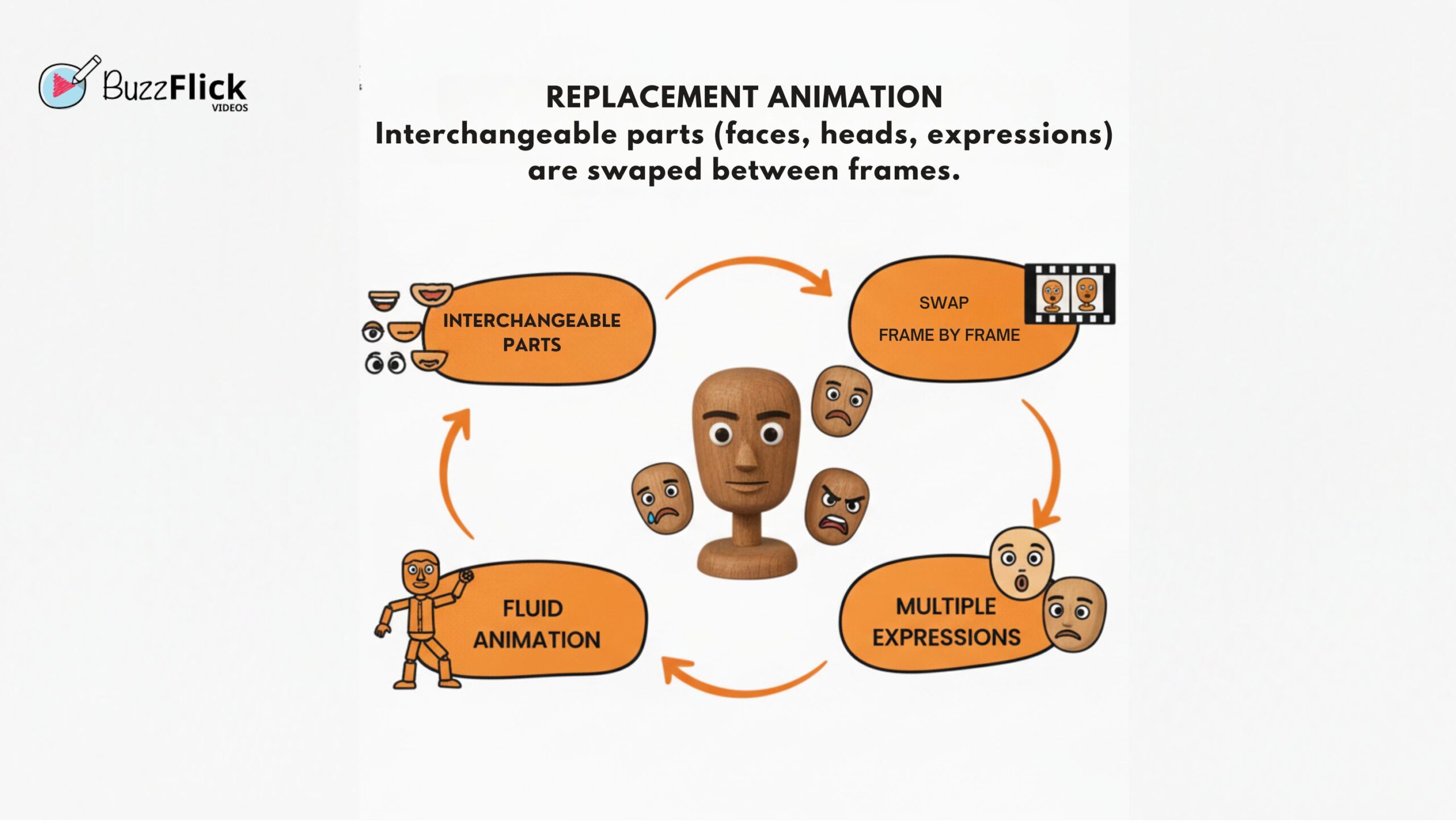
The modern studio of Laika has executed many projects in stop motion using replacement animation, such as ParaNorman or Kubo and the Two Strings, using roughly thousands of 3D printed heads for each character. This allows for all of the subtlety of facial expressions and underneath emotional storytelling that CGI can produce.
If you want to see the process of all of this in an example, check out Adobe’s stop motion animation software guide, showing everything from lighting, camera setups, and the basic production methods of the work, which is applicable to everyone from the curious to aspiring stop motion animators.
| Style | Description | Key Strengths | Iconic Examples |
| Claymation Movies | Sculpted clay figures reshaped frame by frame. | Highly flexible, expressive, humorous, and warm. | Wallace & Gromit, Chicken Run |
| Puppet Animation | Articulated puppets with metal armatures for durability. | Polished look, detailed costumes, subtle gestures, emotional depth. | Coraline, The Nightmare Before Christmas |
| Cutout Animation | Flat paper, cardboard, or fabric shapes moved incrementally. | Quirky, stylish, budget-friendly, blends 2D & 3D aesthetics. | Fantastic Planet, early South Park |
| Pixilation | Live actors posed frame by frame to create surreal motion. | Comedic, experimental, surreal; mixes live-action with stop motion. | Neighbours (1952), music videos |
| Silhouette Animation | Characters shown as black cutouts against backlit backgrounds. | Dreamlike, artistic, elegant, and timeless. | The Adventures of Prince Achmed |
| Object Animation | Everyday items like toys or food are animated to “come alive.” | Playful, imaginative, great for shorts and commercials. | LEGO shorts, ads, experimental films |
| Go-Motion | Adds motion blur to traditional stop motion. | Smooth, realistic movement, ideal for action scenes. | The Empire Strikes Back, Dragonslayer |
| Replacement Animation | Interchangeable parts (faces, heads, expressions) are swapped between frames. | Enables subtle facial acting, smooth expressions, and advanced storytelling. | ParaNorman, Kubo and the Two Strings |
Currently, stop motion animation is common for most modern stop motion animation movies that use puppet animation combined with replacement animation for the potential for both detail and expressiveness at scale. But each style still has a seat at the table of animation, proving that the stop motion art form is as versatile as it is magical.
If you’re a beginner and have creative stop motion animation ideas, start simple:
The best part? Even small projects let you feel the same magic as the big studios, and that is one frame at a time.
How can you make one? Start small. Use toys (LEGO, clay figures, or everyday objects) to experiment with simple movements. Apps like the stop motion animation app Stop Motion Studio make it easy to capture frame-by-frame. Over time, you can graduate to claymation or puppet animation, adding more detail and emotional depth.
For well over 100 years, the genre of stop motion animation films has fascinated audiences. Beginning with experimental short films, featuring insect life and small toys, this genre has eventually transformed into award-winning theatrical films on par with CGI-made films. Let’s take a quick look back through time:
In a deeper dive, Rotten Tomatoes compiled a bibliography of 47 of the best stop-motion animated films from across the decades, proving how diverse and timeless this genre can be.
| Era | Key Highlights | Notable Examples |
| 1890s–1930s | Early experiments with puppets, insects, and objects. | The Tale of the Fox (1937), Władysław Starewicz’s films. |
| 1950s–1970s | Claymation Christmas specials and TV series become holiday staples. | Rudolph the Red-Nosed Reindeer (1964), Rankin/Bass Productions. |
| 1990s | Gothic and quirky styles rise in popularity; claymation hits mainstream. | The Nightmare Before Christmas (1993), Wallace & Gromit films. |
| 2000s–Present | Blending tradition with modern storytelling and technology. | Kubo and the Two Strings (2016), Isle of Dogs (2018), Coraline (2009). |
A number of the best stop motion animated features are seen as timeless classics due to their captivating narratives, inventive visual design, and ability to generate emotion in special ways:
The BFI in London also highlights some of the historic films of stop-motion animation in their Top 10 Stop-Motion Animated Films.
Fans of stop motion films frequently say that these films possess a tactile magic that no other artistic medium can truly emulate. Stop motion animated films aren’t created with CGI or in the traditional 2D animated style.
These animated films are made with real objects that get assembled, frame by frame. It might be clay, a puppet separated into body parts, or even paper cutouts.
This gives the form of animation a physical presence that you can feel is both fantastical and real.
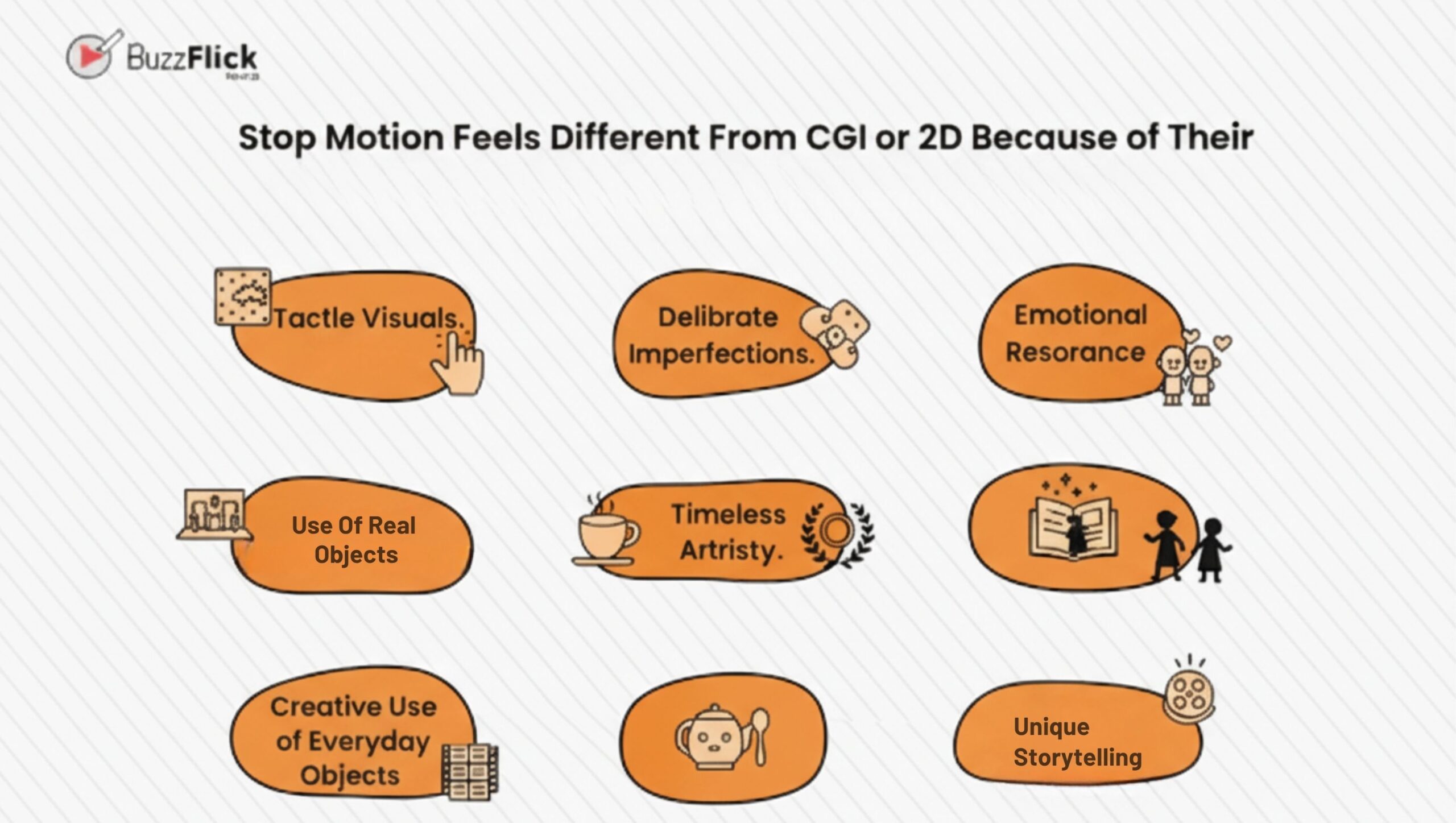
Stop motion films stand out because of their,
In short, while CGI and 2D animation have their own strengths, stop motion movies captivate audiences by blending tangible craftsmanship with storytelling magic. That’s why many of the best stop motion animation movies, from claymation movies to puppet masterpieces, continue to enchant viewers year after year.
Educational sources explain that stop motion brings real objects to life, offering a different experience than computer-generated images. For example, National Geographic Kids illustrates how stop-motion storytelling works with everyday materials.
Over the years, several American studios and filmmakers have become synonymous with excellence in stop-motion animation movies. They continue to push the boundaries of the craft, creating some of the best stop motion animation movies ever made while preserving the medium’s handcrafted charm.
A rising creative force in the US, BuzzFlick specializes in crafting innovative stop motion films for brands, entertainment, and indie creators. While not yet known for full-length feature films, BuzzFlick actively experiments with stop motion animation techniques in commercials, short-form projects, and creative campaigns.
Known for blending traditional techniques with contemporary storytelling, BuzzFlick stands out for making stop motion accessible and magical for both businesses and audiences alike.
Based in Oregon, Laika is celebrated for visually intricate, emotionally rich stories. Their films (Coraline, ParaNorman, Kubo and the Two Strings) are regarded among the best stop motion animation movies for their combination of handcrafted puppets and cutting-edge replacement animation.
This legendary studio popularized holiday claymation movies with timeless classics like Rudolph the Red-Nosed Reindeer and Frosty the Snowman. Their vintage style defined an era of Christmas movies and continues to inspire new generations.
An indie powerhouse, ShadowMachine is best known for producing Moral Orel, Robot Chicken, and BoJack Horseman. They’ve brought stop motion into edgy, adult comedy spaces while keeping the tactile artistry alive.
Founded by Seth Green and team, this studio is behind the hit Robot Chicken. Known for its playful humor and creative experimentation, Stoopid Buddy Stoodios is one of the most prolific stop-motion studios in the US.
Though not a formal studio, Henry Selick’s work (The Nightmare Before Christmas, James and the Giant Peach) cemented his place as one of the most iconic stop-motion filmmakers in America. His collaborations often redefine what’s possible in stop motion animation.
Before Laika’s rise, Will Vinton—often dubbed the “Father of Claymation”—brought stop motion to mainstream America with the California Raisins and The Adventures of Mark Twain. His legacy laid the groundwork for modern claymation movies.
Based in Portland, Bent Image Lab is known for commercials, short films, and music videos that combine surreal visuals with experimental stop motion techniques. Their work is innovative and often blurs the line between stop motion and CGI.
This Los Angeles studio is behind quirky projects like Elf: Buddy’s Musical Christmas and numerous Cartoon Network specials. Their playful, retro-inspired style has made them a favorite for TV-based stop motion films.
Though Wes Anderson is primarily known as a director, his collaborations (Fantastic Mr. Fox, Isle of Dogs) with American-based production partners have introduced stop motion to mainstream arthouse cinema, proving its versatility in storytelling.
Entertainment analyses and curated lists from sources like Forbes highlight these studios’ contributions and how they consistently innovate while honoring the medium’s handcrafted roots.
Producing stop motion animation movies is one of the most demanding forms of filmmaking. Unlike digital animation, every frame requires physical manipulation of puppets, sets, and props.
Box office data shows that while stop-motion films rarely match CGI blockbusters, hits like Chicken Run, Wallace & Gromit, and Coraline proved the medium can achieve both critical and commercial success. Industry statistics, like those from The Numbers, track these performances.
If you’ve ever watched a great stop-motion animation movie, you know it feels different from anything else. The reason is simple: every frame is alive with intention and craft. Here’s what makes these films memorable and how you can bring that same magic into your own projects:
You can literally see the craftsmanship. The textures of clay, fabric, wood, or paper aren’t just background; they’re part of the storytelling. Unlike CGI, where everything is digitally polished, stop motion movies let you notice the tiny details: a seam in a puppet’s costume, the hand-painted brush strokes on a set, or even a faint fingerprint on clay.
Examples: Claymation classics like Wallace & Gromit and Chicken Run thrive on these tactile details.
Because every movement is painstakingly animated, filmmakers don’t waste frames. Each gesture, glance, or pause is intentional. That level of control makes the characters feel more human, even when they’re made of clay or foam.
Examples: The haunting emotion in Coraline and the heartfelt warmth in ParaNorman show how stop motion can make you truly care for fictional characters.
Stop motion thrives on experimentation. From surreal, dreamlike worlds to satirical comedies, the medium gives filmmakers permission to be bold, weird, and different. The quirks are intentional and are part of the magic.
Examples: The Nightmare Before Christmas pushed gothic fantasy into mainstream culture, while Robot Chicken turned stop motion into edgy comedy.
Lighting and set design in stop motion often feel like miniature works of art. A flickering candle, shadows cast across a puppet’s face, or the eerie glow of a handmade moon can create moods that are hard to replicate digitally.
Examples: Kubo and the Two Strings and Isle of Dogs both use lighting and handcrafted sets to build immersive worlds.
At its core, stop motion animation movies resonate because they feel real. These are not pixels on a screen but objects built, painted, and animated by human hands. That tactile authenticity builds a deeper connection with the audience.
Examples: Even small-scale projects like LEGO stop motion shorts prove how authenticity and charm can captivate audiences.
Start small. Use toys (LEGO, clay figures, or everyday objects) to experiment with simple movements. Apps like Stop Motion Studio make it easy to capture frame-by-frame. Over time, you can graduate to claymation or puppet animation, adding more detail and emotional depth.
You’ve explored everything about stop motion movies. History, techniques, studios, and the magic that make each frame unforgettable. From classic claymation to modern masterpieces, you now understand how meticulous, creative, and engaging this art form can be.
But let’s be honest: while learning the basics is exciting, creating a professional stop motion film that truly wows audiences takes serious skill, time, and precision. That’s exactly why BuzzFlick exists.
At BuzzFlick, we don’t see stop motion as just another animation style. It’s our playground—a place where ideas, creativity, and fun collide. We help brands, storytellers, and creators turn concepts into fully animated, polished films that captivate viewers frame by frame.
Ready to bring your story to life with a touch of magic? Here’s how we can help:
A: Stop motion movies are films created by photographing real objects, like puppets, clay figures, or paper cutouts, frame by frame to create movement. Each frame is handcrafted, lending stop-motion animation movies their unique tactile and visual charm.
A: Some of the most famous stop motion movies include The Nightmare Before Christmas, Coraline, and Wallace & Gromit: The Curse of the Were-Rabbit. These stop motion films are celebrated for their creativity and storytelling.
A: Among stop motion animation movies, Chicken Run (2000) is considered one of the top films due to its worldwide success and audience appeal.
A: Leading studios in stop motion animation include Aardman Animations, Laika Studios, and Studio Ghibli’s stop-motion projects. These studios are known for their attention to detail, innovative techniques, and storytelling excellence.
A: Challenges include time-consuming frame-by-frame animation, puppet/set maintenance, lighting consistency, and high labor costs. Producing a full-length stop motion animation movie is expensive due to its handcrafted nature, but the results are visually unmatched.
A: Techniques include:
A: Landmark stop motion films include:
These are widely recognized as some of the best stop motion animation movies.
A: Some of the most beloved holiday films made with stop motion animation include:
These claymation Christmas classics are cherished for their nostalgic handcrafted style, detailed puppetry, and timeless holiday charm.
Chromebooks have grown from just for typing essays and watching skits to letting everyone test their creativity in their desired ways. Yes, those days are...
Read More
Get A Custom Quote Now


Copyright © Buzzflick 2026, All Rights Reserved.
Get Video Animation at Reasonable Prices at BuzzFlick! Get A Quote!